Enhance your shape with confidence. Dr. Vikash Gupta — MS, MCh Plastic & Reconstructive Surgery with 18+ years of overall experience — delivers natural, proportionate, and safe breast augmentation results tailored to your body and goals.
Breast augmentation — clinically known as augmentation mammoplasty — is a surgical procedure performed to enhance breast size, shape, and overall contour. It is among the most commonly performed cosmetic surgical procedures worldwide.
The procedure involves placing breast implants (silicone or saline, depending on availability and suitability) beneath the breast tissue or chest muscle (pectoralis major). For patients considering a more subtle enhancement, fat transfer breast augmentation may also be an option, using the patient's own body fat.
Under the care of an appropriately qualified plastic surgeon like Dr. Vikash Gupta, the surgical plan is tailored to individual anatomy, health, expectations, and aesthetic preferences. Results and recovery vary between individuals.
Breast augmentation is one of the most frequently performed cosmetic surgical procedures globally. Modern surgical approaches offer different implant and fat transfer options based on individual suitability and clinical assessment.
A confidential consultation with Dr. Vikash Gupta can help you understand your options and make an informed decision about breast augmentation.
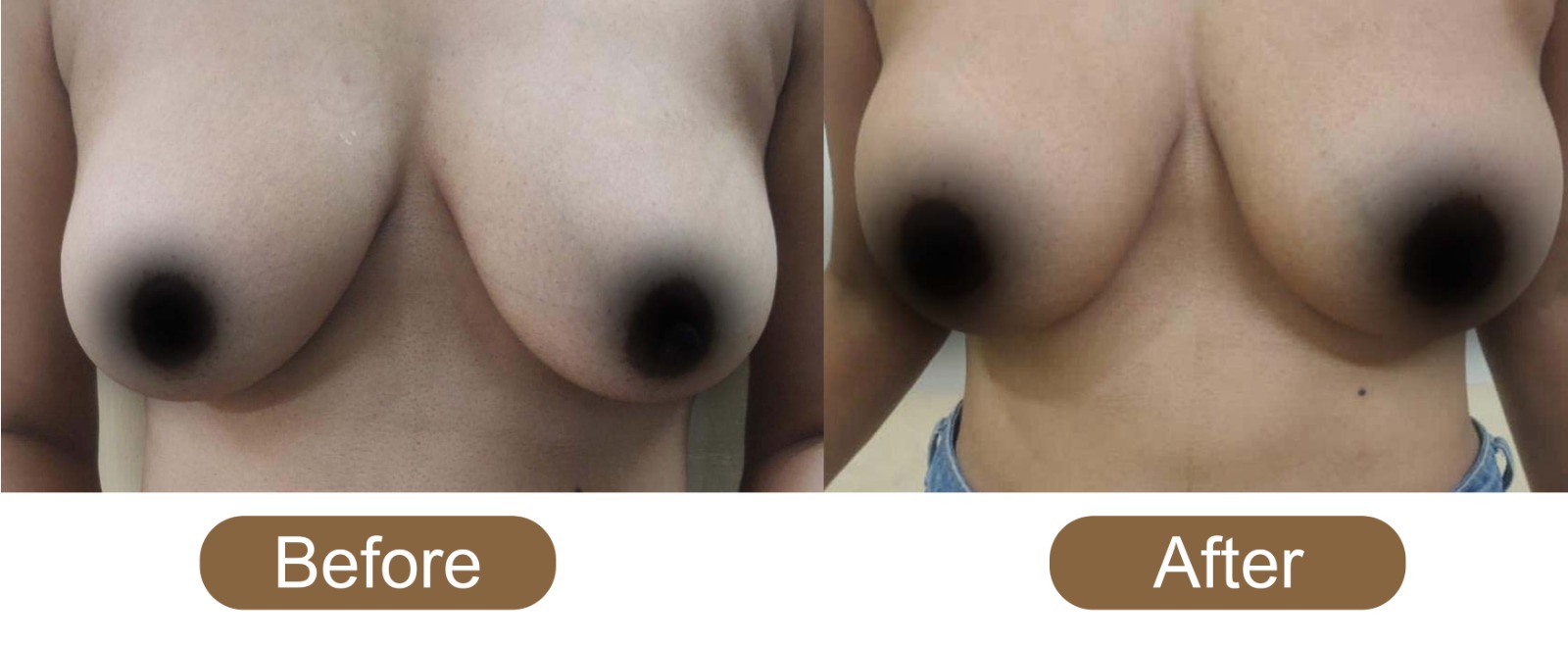
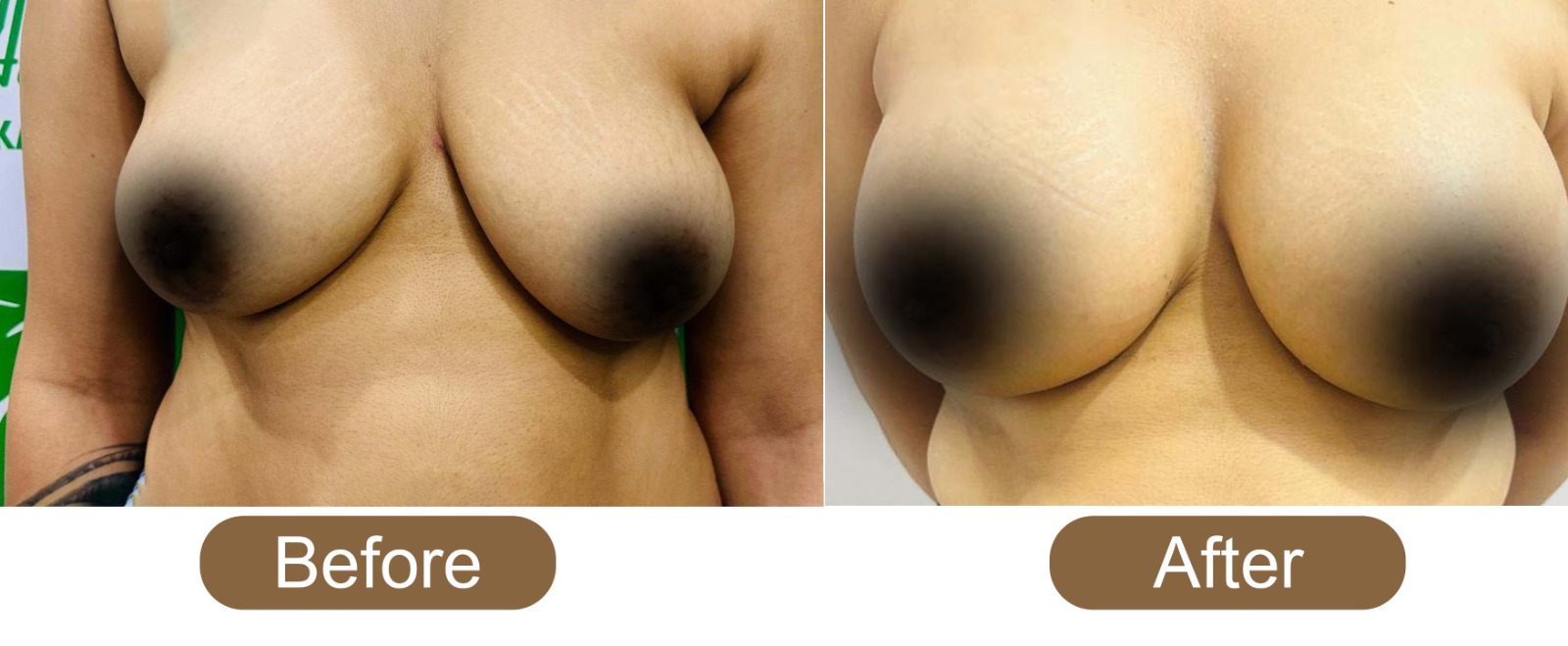
Explore patient images to understand different breast augmentation outcomes.
Results may vary from patient to patient depending on individual anatomy, procedure and healing. Images are shared for informational purposes with patient consent.
Personalized surgical care guided by experience, qualifications and an understanding of individual goals.
Every woman deserves to feel confident and comfortable in her own body. My goal is not to change who you are, but to help you make informed choices about your aesthetic goals.
Dr. Vikash Gupta is a qualified and experienced plastic surgeon at NV Aesthetics and Dental Hub, Jaipur. With over 18 years of overall experience in cosmetic and reconstructive plastic surgery, he provides individualized surgical care based on each patient's anatomy and goals.
Holding MS and MCh qualifications in Plastic Surgery, Dr. Gupta brings specialized surgical training to his practice. His approach emphasizes careful assessment, proportion, patient safety and informed decision-making throughout the treatment journey.
His aesthetic and surgical experience includes procedures such as breast augmentation, rhinoplasty, liposuction , and body contouring. Patients are also guided through appropriate post-operative follow-up and recovery instructions.
Choosing the right surgeon is an important part of your breast augmentation journey. At NV Aesthetics, Dr. Vikash Gupta focuses on individualized treatment planning, patient safety and informed decision-making.
Dr. Vikash Gupta holds MS and MCh qualifications in Plastic Surgery, with specialized surgical training in cosmetic and reconstructive procedures.
01Implant selection is based on individual anatomy, clinical suitability and patient preferences. Appropriate implant information and options are discussed during consultation.
02Dr. Gupta considers body proportions, existing anatomy and personal expectations when planning breast augmentation.
03Consultations and patient information are handled with appropriate confidentiality and discretion throughout the treatment journey.
04Patients receive recovery instructions and appropriate follow-up guidance to support post-operative care and healing.
05Procedure-related costs, implant options and other applicable charges can be discussed during consultation before treatment planning.
06Discuss your expectations, treatment options and questions with Dr. Vikash Gupta.
Every patient has different anatomy and aesthetic goals. During your consultation, Dr. Vikash Gupta evaluates your body proportions, skin elasticity and preferences to discuss suitable implant types and augmentation techniques.
Silicone gel-filled implants are designed to provide a soft feel and are available in different shapes, sizes and profiles. Their suitability depends on individual anatomy and preferences.
These implants have an outer silicone shell filled with sterile saline solution. If a rupture occurs, the saline is generally absorbed by the body, while the implant requires medical assessment.
Also known as form-stable implants, these use highly cohesive silicone gel designed to maintain their shape. They are available in selected profiles and shapes depending on the manufacturer.
Round implants have a symmetrical shape and can provide fullness across the breast, including the upper portion. The final appearance depends on implant dimensions and individual anatomy.
These implants have a contoured shape with more projection towards the lower portion, designed to resemble the natural breast slope. Their suitability depends on individual requirements.
This technique uses fat harvested from areas such as the abdomen or thighs through liposuction. Processed fat is then transferred to the breasts for volume enhancement. Some transferred fat may be naturally reabsorbed over time.
Both techniques have different characteristics, considerations and potential benefits. Understanding these differences can help you prepare for your consultation.
| Comparison | Breast Implants | Fat Transfer |
|---|---|---|
| Volume Enhancement | Can provide a range of volume increases based on implant selection. | Generally suited to subtle or moderate volume enhancement. |
| Longevity | Not lifetime devices. Future monitoring or additional surgery may be needed. | Some transferred fat may be retained long-term, while some may be reabsorbed. |
| Shape & Volume Control | Implant dimensions, shape and profile allow planned volume selection. | Volume and contour changes are more limited and less predictable. |
| Material | Silicone gel or sterile saline-filled implants. | Your own processed body fat. |
| Incisions & Scarring | Incisions are required for implant placement; location and scar appearance vary. | Small entry points are used for fat harvesting and transfer. |
| Recovery | Recovery depends on implant placement, surgical technique and individual healing. | Recovery involves both fat harvesting areas and the breast treatment area. |
| Suitable Considerations | Patients seeking a planned and more noticeable increase in breast volume. | Patients seeking subtle enhancement who have suitable donor fat. |
There is no single implant type or augmentation technique suitable for everyone. Breast implants have potential risks, including rupture, capsular contracture and the possibility of future revision surgery. Fat transfer also has limitations and potential complications. A consultation with a qualified plastic surgeon is important to discuss suitability, benefits and risks.
Discuss implant types, fat transfer and suitable surgical approaches with Dr. Vikash Gupta.
Dr. Vikash Gupta follows an individualized, patient-centred approach to breast augmentation. From the initial consultation to post-operative care, every stage involves careful assessment and planning.
Your journey begins with a one-on-one consultation with Dr. Gupta. He evaluates your breast anatomy, skin quality, body proportions and medical history. Your expectations, aesthetic goals and concerns are discussed to help develop an individualized treatment plan.
Before surgery, appropriate medical assessments and investigations are performed based on your health requirements. The surgeon discusses suitable implant types, size, shape and placement options. You also receive instructions regarding medications, eating, smoking and activity restrictions before surgery.
Breast augmentation with implants is generally performed under general anaesthesia in an appropriately equipped surgical facility. Depending on the surgical plan, an incision may be made in the breast fold or around the areola. The implant is then positioned in the planned tissue pocket to achieve the intended breast contour.
After surgery, you are monitored in the recovery area while the effects of anaesthesia wear off. Swelling, tightness and discomfort may occur during the initial healing period. Your care team provides appropriate post-operative instructions, pain management guidance and recommendations regarding supportive garments and discharge.
Follow-up appointments help monitor healing, incision sites and implant positioning. A gradual return to daily activities is recommended according to your recovery progress. Strenuous exercise and heavy lifting should be avoided until cleared by your surgeon. Breast shape and positioning continue to settle as post-operative swelling decreases.
Surgery duration, hospital stay, recovery period and final results vary depending on the surgical technique, individual health and healing response. Always follow your surgeon's specific instructions during recovery.
Discuss each stage of breast augmentation surgery with Dr. Vikash Gupta during a personalized consultation.
Recovery after breast augmentation is a gradual process. Healing time and activity restrictions vary depending on the surgical technique, individual health, and your surgeon's instructions.
Some discomfort, tightness, swelling, and bruising may occur. Follow your prescribed medication schedule, get adequate rest, and use the recommended surgical support bra as advised.
Light daily activities may be resumed as advised by your surgeon. Avoid strenuous movements, heavy lifting, and driving until you are medically cleared. Attend your scheduled follow-up appointment.
Swelling and bruising may gradually improve, and everyday comfort may increase. Continue following wound-care instructions and avoid activities that put strain on the healing area.
Depending on your healing progress, your surgeon may allow you to gradually resume selected exercises and physical activities. High-impact exercise and strenuous chest movements should wait for medical clearance.
Breast shape, swelling, and scar appearance can continue changing over the following months. Your surgeon will assess healing and discuss the progress during follow-up visits.
Following your surgeon's instructions is important for wound care and recovery.
These are general recovery guidelines, not a substitute for personalised medical advice. Always follow the instructions provided by your treating surgeon.
Seek prompt medical advice if you experience fever, increasing redness, unusual wound discharge, worsening pain, sudden swelling, or any other concerning symptoms. For chest pain or difficulty breathing, seek emergency medical care.
Discuss your recovery expectations and post-operative care with our team.
At NV Aesthetics, we believe in clear communication about treatment costs. The final cost of breast augmentation depends on your chosen implant or technique, surgical requirements, and individual treatment plan. A detailed estimate is discussed during your consultation.
Implants filled with sterile saline solution.
Indicative starting priceSilicone gel-filled implants available in different shapes and profiles.
Indicative price rangeForm-stable silicone gel implants with a cohesive consistency.
Indicative price rangeUses the patient's own fat, harvested through liposuction and transferred to the breasts.
Indicative price rangeThe estimate may vary based on implant selection, surgical technique, anaesthesia, facility charges, hospital stay, prescribed garments, and follow-up requirements. Ask for a written cost breakdown to understand what is included and whether any additional charges may apply.
Implant material, manufacturer, design, and specifications can influence the overall cost.
Implant placement, incision approach, and the complexity of the planned procedure may affect the cost.
The surgeon's qualifications, relevant surgical experience, and professional fees may form part of the estimate.
Operating theatre, anaesthesia, nursing, and hospital facilities may contribute to the total cost.
Follow-up visits, prescribed support garments, medications, and recovery-related care may affect the estimate.
Your anatomy, medical assessment, treatment goals, and specific surgical requirements influence planning.
Schedule a consultation to discuss suitable options and receive a treatment estimate based on your individual requirements.
Prices shown are indicative and should be confirmed directly with NV Aesthetics. The final estimate depends on clinical assessment and the services included in the treatment plan.
Breast augmentation can help address concerns related to breast volume, shape, and proportion. When planned according to your anatomy and personal goals, the procedure may offer both physical and personal benefits.
Increase breast volume with implant or fat transfer options, depending on your suitability and treatment goals.
The procedure can help create a breast shape and volume that complements your overall body proportions.
Some individuals report greater satisfaction with their appearance and body image after surgery.
Breast augmentation can provide lasting changes, although implants are not lifetime devices and future monitoring or additional surgery may be required.
Changes in breast volume may influence how clothing, lingerie, and swimwear fit and feel.
May help address volume loss or changes in breast fullness following pregnancy, breastfeeding, or significant weight loss.
In selected cases, different implant sizes or surgical planning approaches may help improve differences in breast volume or shape.
Implant selection, size, shape, and placement can be planned around your anatomy, preferences, and clinical assessment.
Not every benefit applies to every patient. Results depend on individual anatomy, skin quality, surgical technique, healing, and realistic expectations. Breast augmentation also involves potential risks and the possibility of future implant-related procedures. A consultation with a qualified plastic surgeon can help you understand your options.
At NV Aesthetics, informed decision-making is an important part of surgical care. Breast augmentation is a surgical procedure and, like any surgery, it carries potential risks and complications. Understanding these risks helps patients make informed choices with their plastic surgeon.
Temporary swelling, bruising, and discomfort may occur during the initial healing period.
Infection, delayed wound healing, or problems around the incision may require medical treatment.
Scar tissue may form around an implant and become tight, potentially causing firmness, discomfort, or changes in breast shape.
An implant may shift or settle differently than expected. Some cases may require further assessment or revision surgery.
Implants can rupture or leak over time. The symptoms and recommended management depend on the implant type.
Temporary or lasting changes in nipple or breast sensation may occur after surgery.
Breast implant-associated complications, including rare conditions such as BIA-ALCL, should also be discussed before surgery.
Medical history, health status, and suitability for surgery are assessed before planning the procedure.
Implant type, manufacturer, size, and specifications should be selected according to clinical suitability and patient preferences.
The procedure should be performed in a suitably equipped facility with appropriate infection-control, anaesthesia, and emergency protocols.
The procedure should be performed by a suitably qualified plastic surgeon supported by an appropriate anaesthesia and clinical team.
Follow-up appointments help assess healing, identify concerns, and guide recovery.
Patients should receive clear instructions about recovery, warning signs, implant monitoring, and when to seek medical advice.
Breast implants are not lifetime devices. They may require monitoring, additional procedures, or replacement over time. Patients should discuss implant-specific risks, recommended follow-up, and future monitoring with their surgeon.
Breast augmentation may be suitable for women who wish to enhance breast volume, improve shape, or address differences in breast size. A detailed consultation with Dr. Vikash Gupta can help determine whether the procedure is appropriate for your health, anatomy, and personal goals.
Find answers to common questions about breast augmentation, implant options, surgery, recovery, cost, and possible risks. These answers provide general information; your surgeon can guide you based on your individual requirements.
Breast augmentation is an established surgical procedure, but it is not free from risks. Potential complications include infection, bleeding, capsular contracture, implant rupture, changes in sensation, and the possibility of additional surgery. Patient selection, appropriate implant choice, a suitably equipped surgical facility, and proper post-operative care are important considerations. Consult a qualified plastic surgeon to understand the benefits and risks relevant to you.
At NV Aesthetics, the indicative breast augmentation cost ranges from ₹1,50,000 to ₹3,00,000+, depending on the implant type, manufacturer, surgical technique, and individual treatment plan. Fat transfer may have a different cost depending on the procedure requirements. The final estimate is discussed during consultation. Ask for a written breakdown covering surgeon fees, implants, anaesthesia, facility charges, hospital stay, and follow-up care.
You can also explore our Breast Augmentation Cost in Jaipur section for indicative pricing.
Breast implants are not lifetime devices, and their lifespan varies from person to person. Some implants may remain in place for many years without requiring replacement, while others may need additional treatment because of rupture, capsular contracture, changes in breast appearance, or other complications. Regular follow-up and implant-specific monitoring are important. Replacement is not automatically required after a fixed number of years; the decision depends on clinical findings and individual circumstances.
Breast augmentation requires incisions, so some scarring is expected. Common incision locations include the crease beneath the breast (inframammary fold) and around the edge of the areola. Scar appearance depends on the incision location, surgical technique, skin characteristics, and individual healing. Scars generally change and mature over time, but they may not disappear completely. Your surgeon can discuss suitable incision options and scar-care instructions.
Breast augmentation is generally performed under anaesthesia, so you should not feel pain during the operation. After surgery, you may experience soreness, tightness, pressure, swelling, or discomfort. The intensity and duration vary depending on the surgical technique, implant placement, and individual healing. Your surgical team will provide appropriate pain-management instructions and explain which symptoms require medical attention.
Many women with breast implants are able to breastfeed, but breastfeeding cannot be guaranteed after surgery. The outcome may depend on the incision location, implant placement, changes to breast tissue or milk ducts, and individual factors. If you are planning a pregnancy or wish to breastfeed in the future, discuss this with your surgeon before choosing a surgical technique.
Changes in breast volume are visible after surgery, but the initial appearance may be affected by swelling, tightness, and the early healing process. Breast shape, implant position, and scar appearance can continue changing over the following months. The time needed to see a more settled result varies between patients. Your surgeon will assess your progress during follow-up appointments.
Silicone implants are filled with silicone gel, while saline implants contain sterile saltwater solution. Their feel, filling material, design, and rupture characteristics differ. When a saline implant ruptures, it generally deflates and the saline is absorbed by the body. A silicone gel implant may rupture without obvious changes in breast appearance, so recommended imaging and monitoring may be important. The appropriate option depends on your anatomy, preferences, and clinical assessment.
Read more about breast implant types and options.
Recovery varies according to the surgical approach, implant placement, general health, and healing response. Some patients may resume light activities within the first week, while others need more time. Heavy lifting, strenuous exercise, and certain upper-body movements are generally restricted until the surgeon provides clearance. Follow your individual recovery plan rather than relying on a fixed timeline.
See our Breast Augmentation Recovery Guide for general post-operative information.
Fat transfer breast augmentation involves taking fat from another area of the body through liposuction, processing it, and transferring it into the breasts. It may be an option for individuals seeking a modest increase in breast volume without implants. However, not all transferred fat survives, so some volume may be lost during healing. The amount of enhancement is limited by available donor fat and tissue suitability. A consultation can help determine whether this approach matches your expectations.
Schedule a private consultation with Dr. Vikash Gupta at NV Aesthetics, Jaipur. Discuss your concerns, understand available treatment options, and make an informed decision at your own pace.